
JACOB & CO
“An illustrated case study in consumer behaviour — how maximalism, celebrity culture, and horological spectacle built a $188 million brand.”
SCROLL
01 / THE BRIEF
From Diamond District to Global Icon
Jacob & Co was founded in 1986 by Jacob Arabo, launched as a jewelry label in New York's Diamond District before expanding into watchmaking — Arabo's fascination since his teenage years. The brand now operates 94 stores across 34 countries. This case study examines what actually drives consumer desire for the brand, and how it not only survived the COVID-19 pandemic but grew through it.
02 / ICONIC COMPLICATIONS
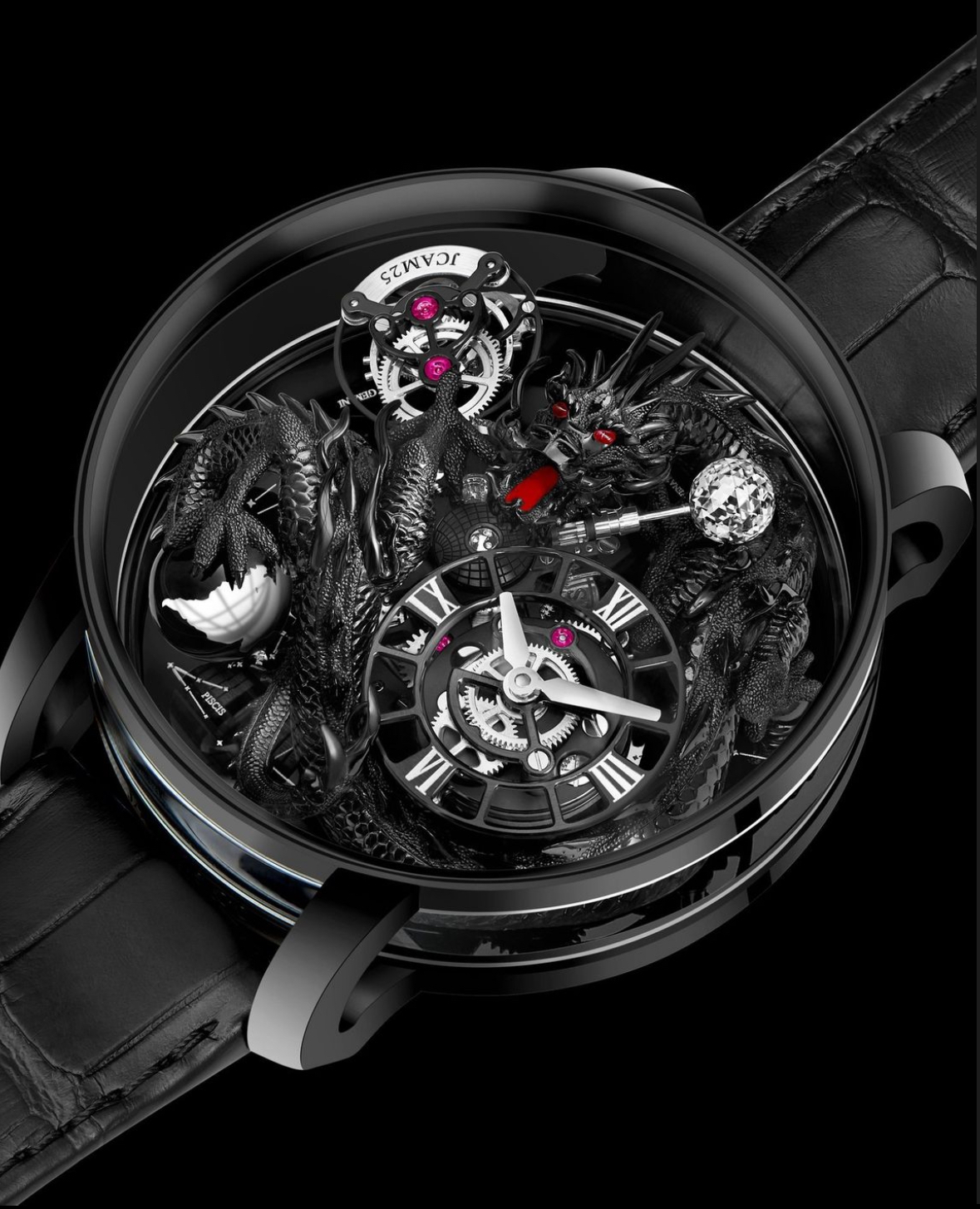
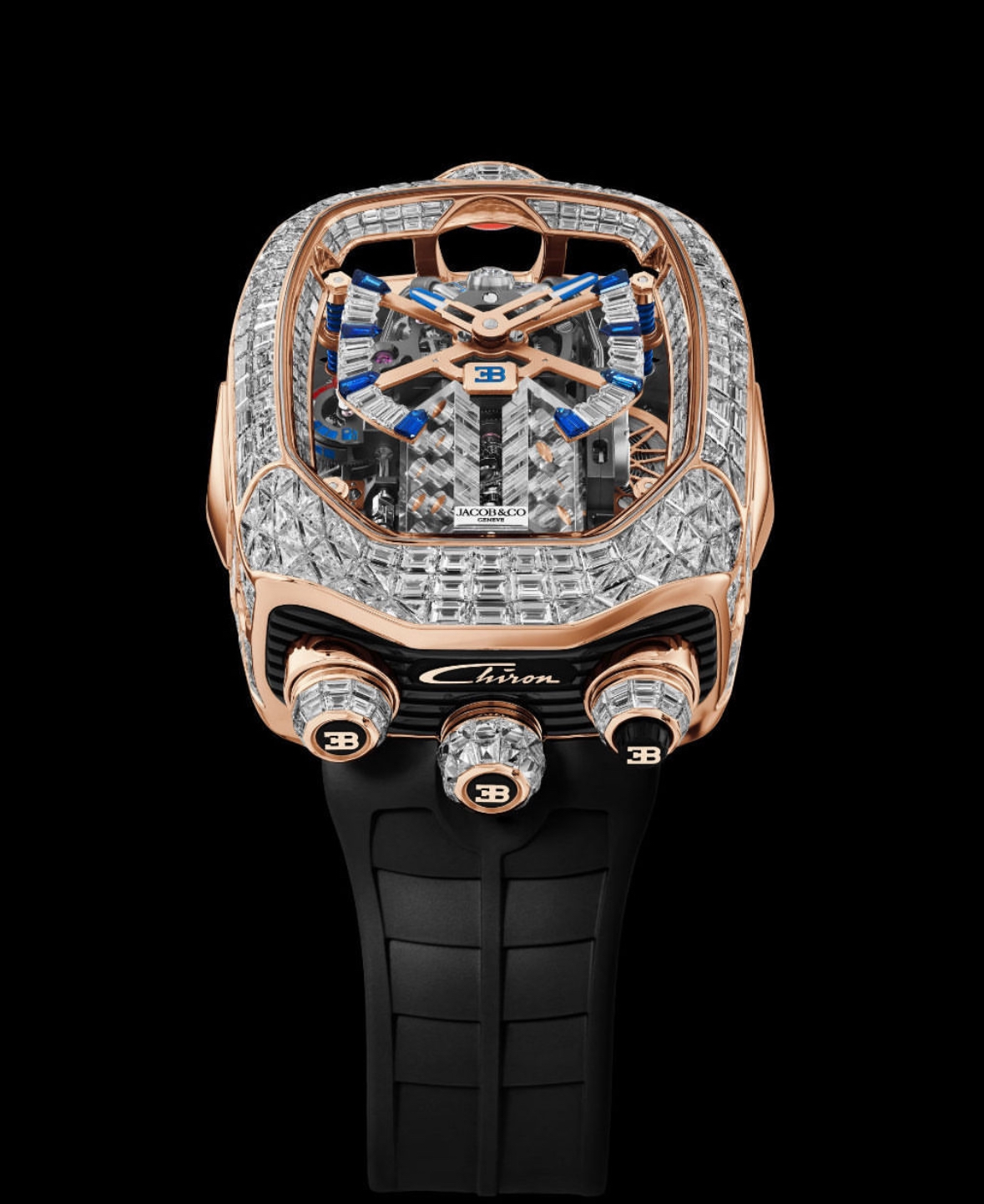
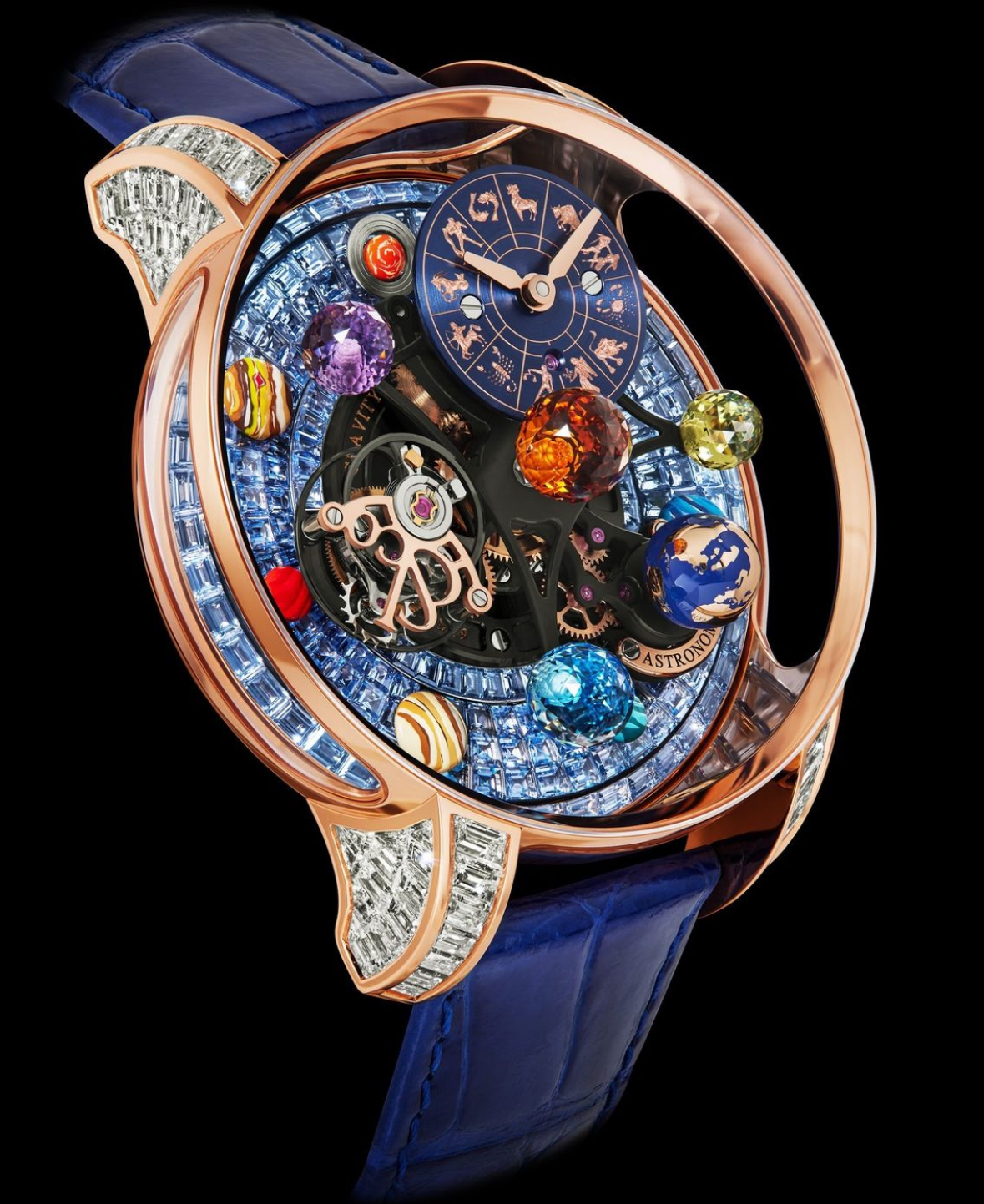
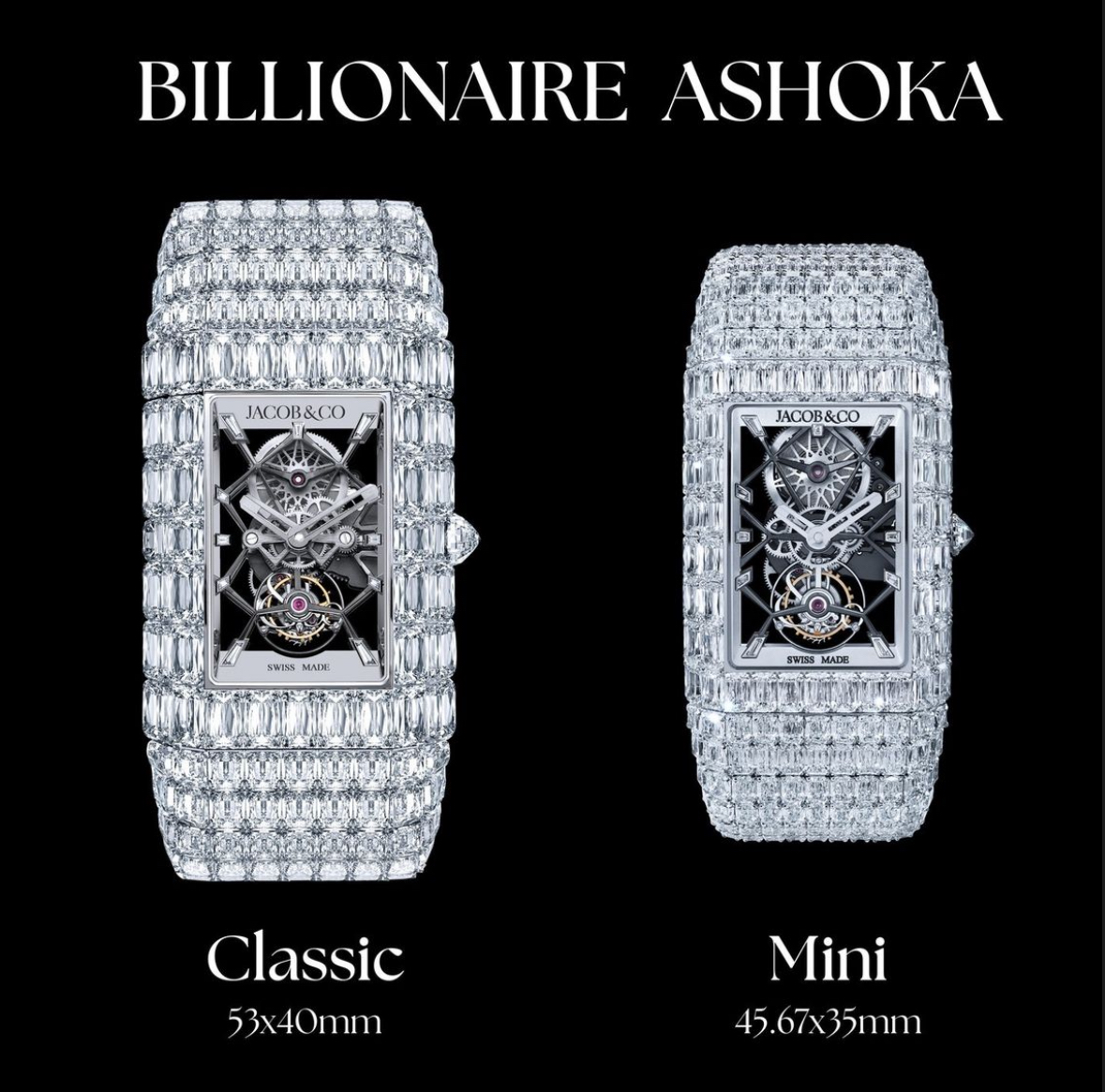
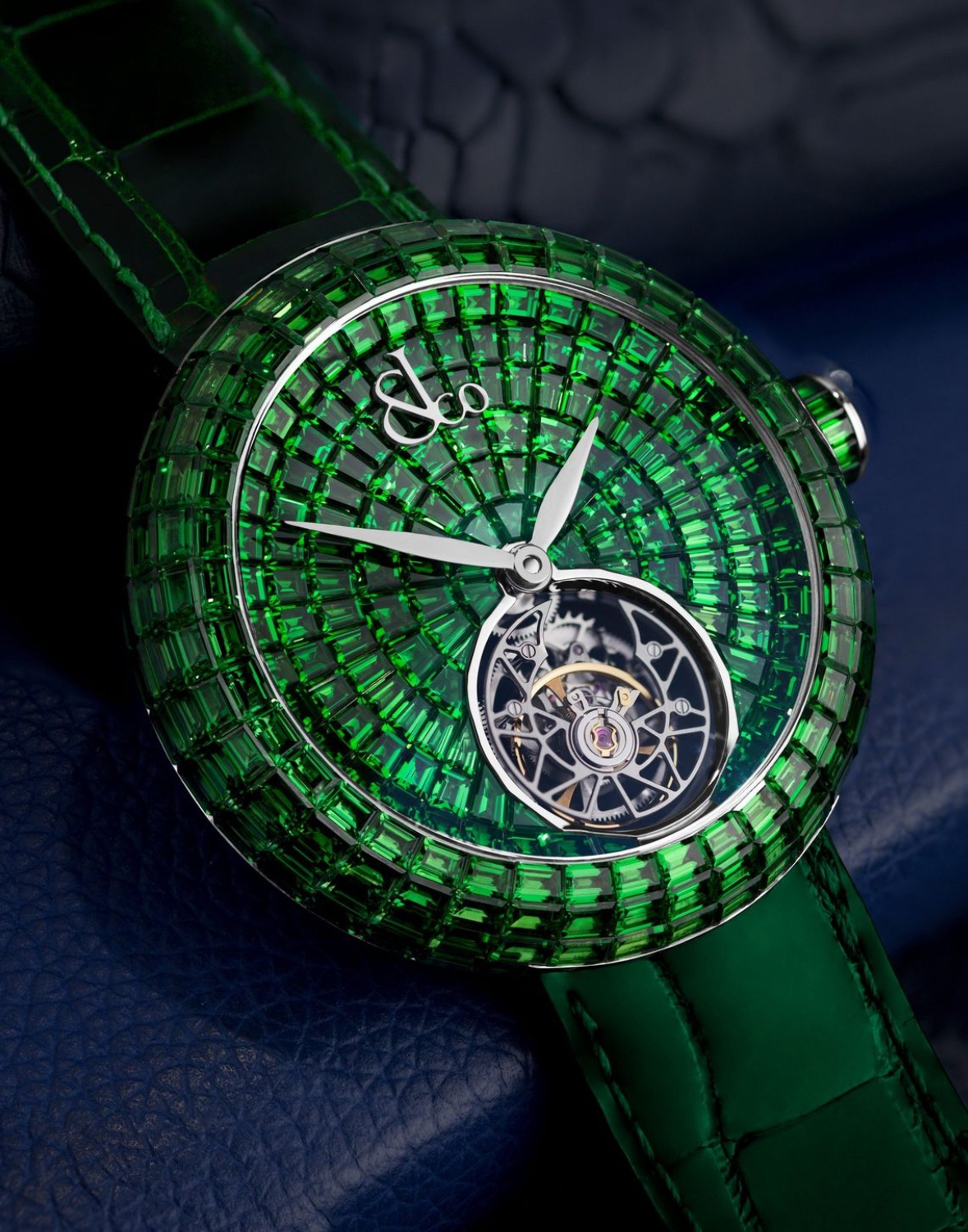
Horological Theater & High Complications
03 / CONSUMER PSYCHOLOGY
The Mechanics of Luxury Desire
Jacob & Co's consumer behaviour breaks down into a clear what/why/how: what draws people in is the brand's uncompromising design and prestige image; why they buy is status, artistic expression, and investment value; how the brand converts that desire is through social media presence, celebrity endorsement, and elite after-sales service. Unlike brands that pulled back during the pandemic, Jacob & Co leaned further into spectacle — new stores opened in Saudi Arabia, Thailand, Hong Kong, Egypt, and Mumbai while demand surged.
01 / WHAT
DESIGN & PRESTIGE
Creative design, superior quality, and a prestige image consumers seek as status symbols.
02 / WHY
STATUS & VALUE
Status, artistic expression, and investment value — luxury watches as appreciating assets.
03 / HOW
CONVERSION
Social media, celebrity endorsement, brand collaborations, and elite customer service.
GROWTH METRICS & VALUATION
Quantitative Proof of Resilience
$188M
Revenue grew from $81M to $188M in two years (2020–2022) — during a global crisis, not after it.
$18M
The Billionaire timepiece launched at $18M, set with 260 carats of emerald-cut diamonds.
+82%
British luxury watch sales rose 82% during the pandemic, driven almost entirely by domestic demand.
04 / THE OUTCOME
Reading Resilience Quantitatively
This case study demonstrates the ability to read brand resilience quantitatively — not just describing what a brand did during a crisis, but tracking the actual revenue and sales data that proves the strategy worked.